MiniMax H3 Image Hands-On: A Hexagon-Warrior Open-Weights Image Model
Hi, I'm LuoLuo. MiniMax just released and open-sourced its latest image model, H3 Image, claiming top-tier performance. I tested it across four layers — text understanding, aesthetics, structure & logic, and production use — to see if it's really an all-rounder.
Layer 1: Can it read? — text & knowledge
Image models usually fail on text: wrong strokes, nonexistent symbols, or a whole paragraph smeared together no matter how many times you regenerate. So I started with text.
Case 1: Exhibition poster
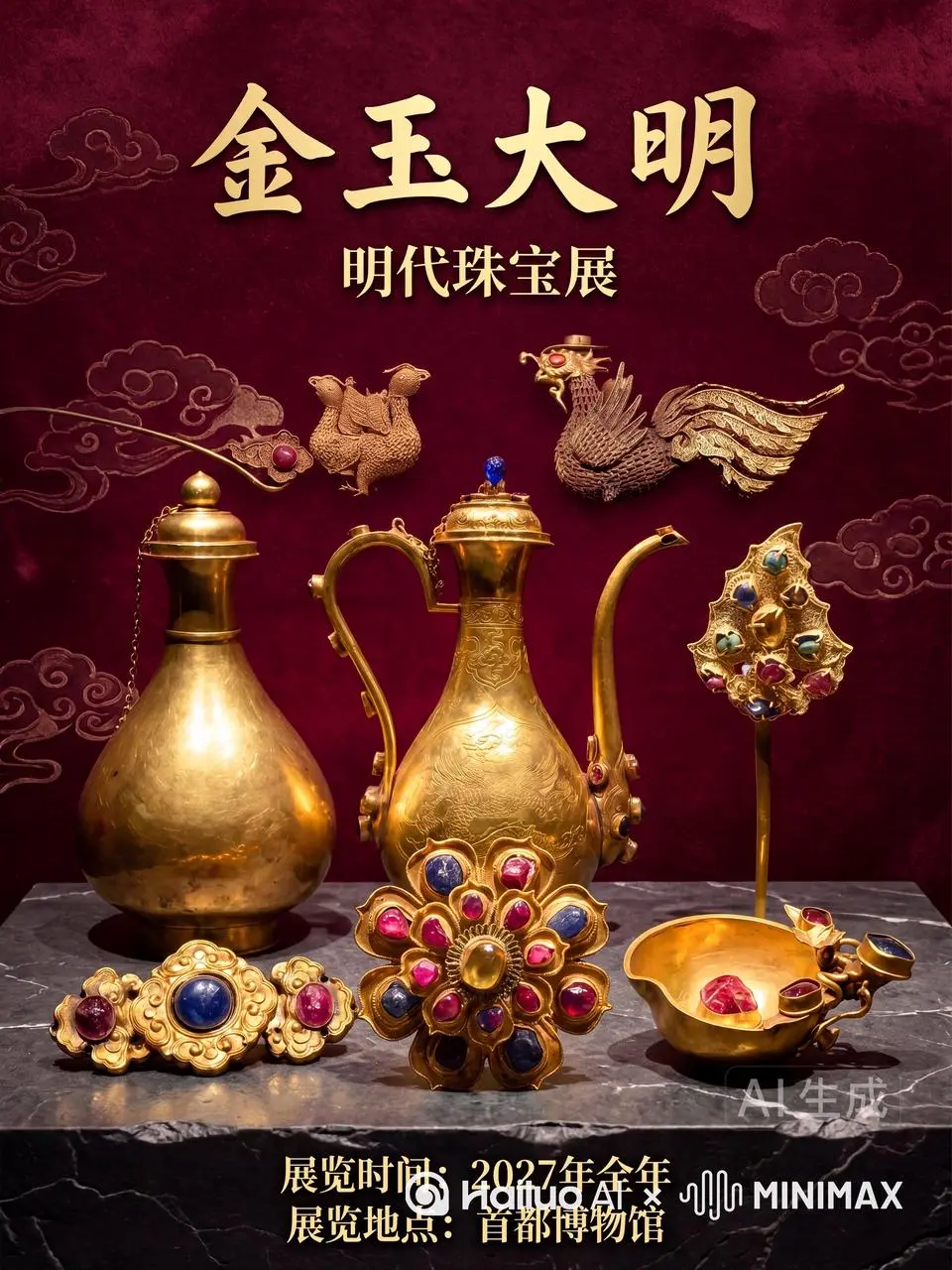
I fed it a few museum artifact photos and the info to put on the poster.
Prompt: Use these artifact photos to make a poster for a historical art exhibition; render the title, time, and venue accurately.
It produced a poster with a dark-red velvet background and auspicious-cloud patterns — harmonious tone, light, and composition, with a bit of creativity.
Case 2: Bar scene
A playful idea: open a bar in the lakeside pavilion of Beihai Park — "little boats drifting gently, a cool breeze on the water."
Prompt: Open a bar in the lakeside pavilion of Beihai Park; seats in the pavilion, the drink menu on the left, with drink names and prices rendered clearly and correctly.
The generated lakeside bar scene shows the menu on the left, with names and prices correct — small text doesn't break either.
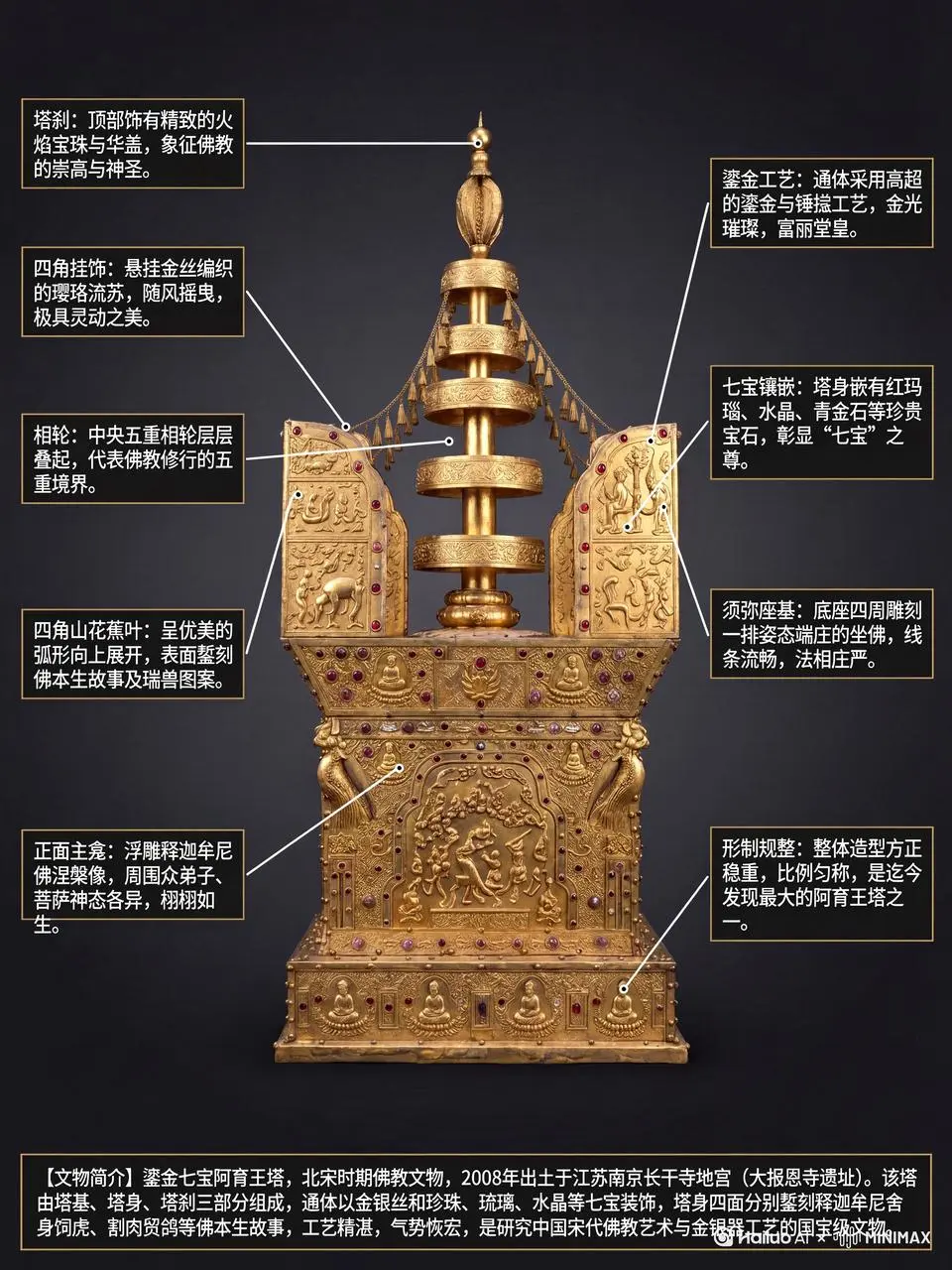
Case 3: Artifact infographic
I asked H3 Image to generate an infographic based on a precious excavated artifact from Nanjing. It corrected the dim lighting and removed the cluttered background; the text was basically correct with no breakage.
Layer 2: Can it draw well? — aesthetics
Case 4: Hand-drawn styles
I gave it a night photo of Beihai Park and asked for three styles.
Prompt: Render this night photo in retro-comic, oil-painting, and watercolor styles.
The retro comic has line tension, the oil painting shows brushstroke depth, the watercolor has that translucent wash — genuinely hand-painted, not just a hue shift.
Case 5: Surreal creation
Beyond reproduction, image AI can realize ideas. I took a photo of the Beijing Exhibition Center hall and imagined it as a "Castle in the Sky" banquet hall — guests dining and dancing, clouds pouring in through the windows.
Layer 3: Can it think deep? — structure & logic
Case 6: Camera exploded view
With no extra hints, H3 Image reconstructed a DSLR's lens groups, shutter, mirror, and the chip inside the body — and did the same for a drone.
Case 7: Architectural CAD
I turned photos of the Beijing waterworks round pavilion and the Dujiangyan Erwang Temple gate into CAD three-views — rich line detail, essentially faithful to the originals.
Layer 4: Can it ship? — production use
Case 8: Game scene from a photo
Using a photo of Nuodeng ancient village in Yunnan, I generated a game scene — an old village by water in a deep valley, ringed by mountains, mist rising: proper xianxia vibes.
Case 9: Travel-journal infographic
I handed my Dali travel notes to the AI to turn into a journal-style long image — it understood the route logic, with a clean layout, good aesthetics, and almost no text errors.
Final thoughts
Across four layers of intense testing, H3 Image is a genuine all-rounder — smart, efficient, and aesthetic. It's fast, rarely needs re-rolling, and handles both precise and wild requests.
Image models are iterating fast, and there are strong ones — but open-weights ones are rare. MiniMax open-sourced it on day one, no holding back. Its H3 video sibling was even used by NVIDIA for hardware testing; H3 Image doesn't disappoint either.