Why I Switched from Claude Opus to GPT-6 Sol: The Token Economics Matter
Model tested
- Models: OpenAI GPT-6 Sol vs Anthropic Claude Opus
- Use case: Coding, backend development, debugging, and AI agent workflows
- Main evaluation criterion: Quality of results relative to token consumption and cost
Why I prefer GPT-6 Sol
I've been using both GPT-6 Sol and Claude Opus for software engineering and AI development. Both are capable models, but I've increasingly found myself choosing GPT-6 Sol for one practical reason: Claude Opus costs me more in token usage, and I haven't seen enough additional value to justify that expense for my everyday workflows.
When working on production code, the cost of an AI model isn't just about one prompt. It's about how efficiently it handles an entire development session.
A typical engineering task can involve reading multiple files, understanding existing architecture, generating code, debugging errors, and refining the implementation over several iterations.
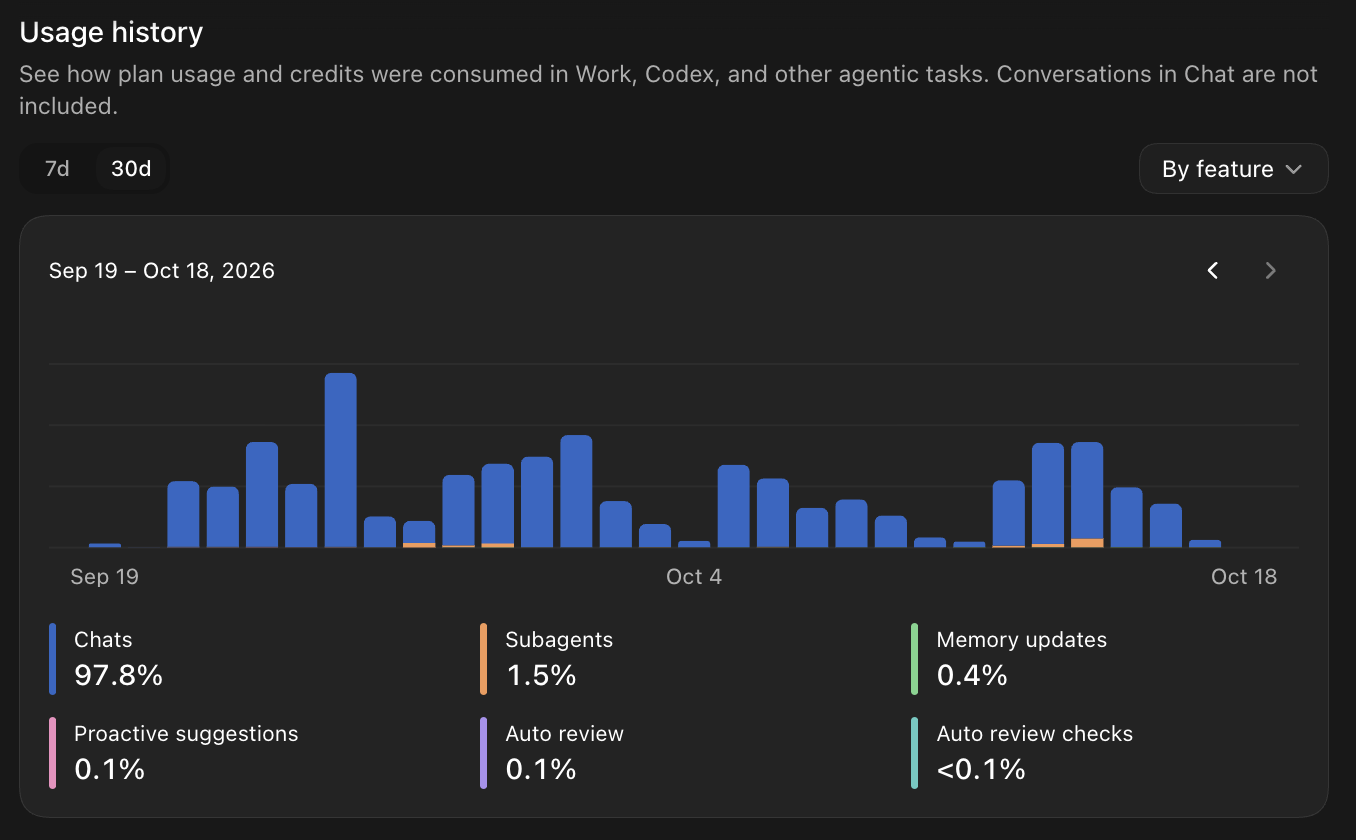
Across my usage, I've found Opus more expensive to work with, especially when token consumption starts accumulating across these iterations.
Where the cost difference becomes significant
Looking at the published API pricing for GPT-6 Sol and Claude Opus 5.5:
| Model | Input / 1M tokens | Output / 1M tokens |
|---|---|---|
| GPT-6 Sol | $2.00 | $10.00 |
| Claude Opus 5.5 | $4.00 | $20.00 |
Opus 5.5 costs twice as much per uncached input and output token.
For example, consider a workload involving 100,000 input tokens and 20,000 output tokens:
| Model | Estimated cost |
|---|---|
| GPT-6 Sol | $0.40 |
| Claude Opus 5.5 | $0.80 |
This is an illustrative calculation using published API rates, not a measured benchmark from one of my sessions. Actual costs depend on caching, reasoning tokens, tool usage, and the specific model version.
The bigger concern from my personal experience is that Opus can also consume more tokens during my workflows. When both the token count and the price per token are higher, the difference becomes increasingly noticeable.
My development workflow
I primarily use AI models for tasks such as:
- Backend engineering: Understanding and modifying TypeScript services, APIs, and database integrations.
- AI agents: Designing tool-calling workflows, retrieval pipelines, and orchestration logic.
- Debugging: Investigating unexpected behaviour across interconnected components.
- Architecture: Reasoning about system reliability, scaling, and implementation trade-offs.
These aren't isolated one-shot prompts. They're iterative engineering workflows where models repeatedly consume project context and produce intermediate reasoning, code, and explanations.
That's exactly where token efficiency becomes important.
My preference for GPT-6 Sol isn't based on claiming it wins every coding benchmark. It's based on the economics of using these models repeatedly throughout a development session.
I haven't collected a controlled, prompt-by-prompt benchmark with identical settings and complete token logs, so I wouldn't claim a specific percentage reduction in token consumption from my own tests.
What impressed me
GPT-6 Sol offers a more attractive cost structure for the engineering work I do regularly.
Its pricing makes it easier to justify additional iterations, longer debugging sessions, and broader exploration of potential solutions.
For someone building AI-powered products, lower inference costs also matter beyond personal productivity. They directly influence how economically an agentic workflow can operate at scale.
What fell short
My comparison is primarily about cost efficiency, not a comprehensive capability ranking.
Claude Opus remains a strong option for complex coding and reasoning tasks. There may be situations where its output justifies the premium.
Also, published per-token pricing alone cannot establish which model is more efficient on a particular task. Proper evaluation requires measuring total token consumption, correctness, retries, and completion rates under comparable conditions.
My verdict: Is GPT-6 Sol worth it?
Yes. GPT-6 Sol is my preferred default over Claude Opus.
I care less about which model appears marginally better in an isolated demonstration and more about which one gives me the best results for the money spent across real development work.
In my experience, Opus has been more expensive in terms of token consumption, and its higher per-token pricing compounds that difference.
Until I see a consistent improvement in output quality that offsets the additional expense, GPT-6 Sol remains the more practical choice for me.
My takeaway: The best coding model isn't necessarily the most powerful one. It's the one that helps you ship reliable software at a sustainable cost.